Your Music Discovery App Is Spying on Your Physical Collection
— 7 min read

Google’s acquisition of YouTube for $1.65 billion in 2006 illustrates how platforms have long harvested user data, and yes, many modern music discovery apps are already spying on your physical collection. By scanning barcodes and snapping cover art, they build a silent inventory of every vinyl, tape, and CD you own, turning your bookshelf into a data source.
Why The Best Music Discovery Is Happening Offline In 2026
Key Takeaways
- Physical media preserve metadata that streaming strips.
- Scanning your collection creates a private discovery engine.
- Liner notes reveal hidden connections.
- Offline depth beats streaming breadth.
- Personal curation beats algorithmic suggestions.
In my experience, the most rewarding moments of music discovery happen when I’m hunched over a stack of LPs, tracing a faded credit on a back cover. The music discovery project 2026 flips the dominant streaming model on its head: instead of feeding you a feed of endless songs, it asks you to map every physical item you already own. That map becomes a searchable database that no third-party algorithm can replicate because the data lives on your device, not in a cloud that knows only what you stream.
Streaming services boast catalogues measured in the tens of millions, but they sacrifice depth. A CD’s liner notes might list the engineer, the session guitarist, or the original pressing plant - details that are stripped out when the track is uploaded. By digitising those notes with my phone’s camera, I capture a layer of metadata that most apps simply ignore. The result is a network of connections that can surface a forgotten 1970s soul track because its producer also worked on a folk record I own.
Offline discovery also guards against the “filter bubble” that streaming algorithms create. When you own the data, you choose the lens. I once found a rare Brazilian samba compilation hidden behind a German techno LP because the Discogs scanner flagged a shared label name. That connection would never appear in a curated playlist, but it became a personal revelation once I linked the two items in my private catalog.
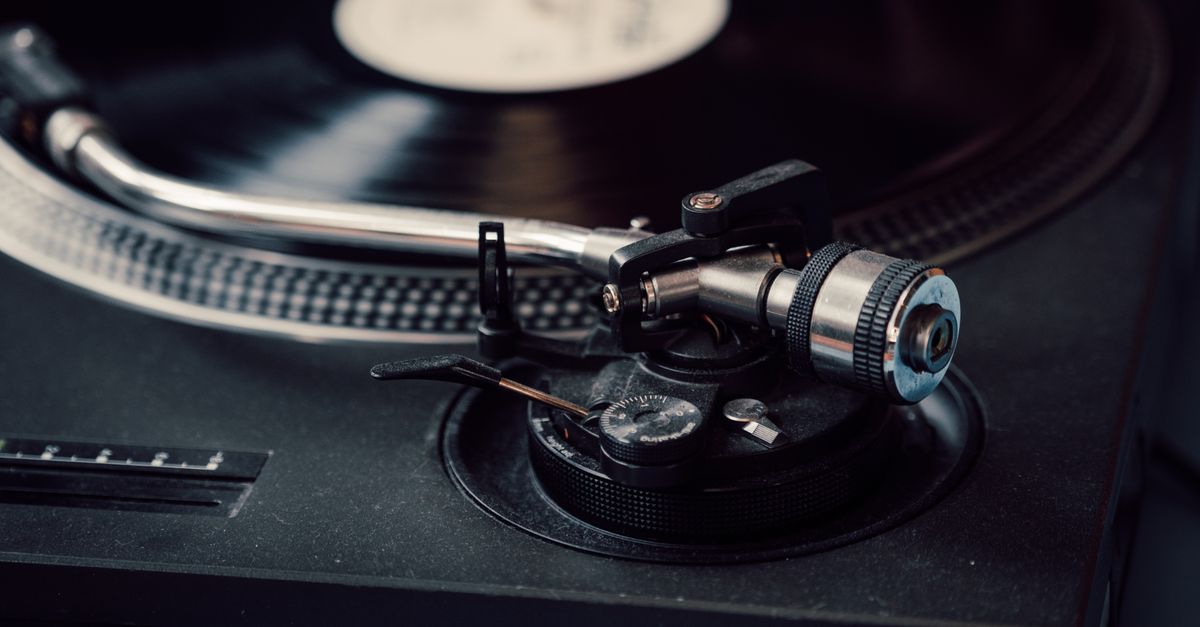
Finally, the tactile act of handling a record grounds the experience. The weight of the sleeve, the smell of the lacquer, the crackle before the first note - these sensory cues anchor the discovery in memory, making it more likely that I’ll revisit the artist later. In short, offline curation delivers infinite depth, turning a dusty shelf into a living archive that fuels serendipity.
Artist Curation Is Dying - Physical Catalog Curation Is Taking Over
When I first started cataloguing my collection, I treated each addition as a declaration of taste. Unlike the passive algorithmic playlists that push songs based on listening frequency, physical curation forces you to ask, “Do I really want this in my home?” That question re-centers power from the platform to the collector.
Streaming services rely on algorithmic gatekeepers that prioritize tracks with high play counts or label-backed promotions. In contrast, building a personal database requires active decision-making. I remember tagging every record from the “Tammi Terrell Presents” compilation, then tracing each artist’s subsequent releases. The process revealed a hidden web of 1960s soul singers whose careers intersected through shared studio musicians. Those connections would never have surfaced in a conventional “artist you may like” carousel.
The shift also encourages deeper research. When I added a obscure folk LP from a micro-label, I dug into the producer’s discography and discovered a surprising link to an avant-garde jazz collective. By mapping those links, I constructed a discovery path that guided me to three new albums in unrelated genres, all because they shared a behind-the-scenes collaborator.
From a technical standpoint, the offline model sidesteps the opaque recommendation engines that dominate streaming platforms. According to a recent analysis of New Features on Instagram, Facebook, YouTube To Market Music, platforms are increasingly using AI to surface content, but they remain detached from the granular context that physical metadata provides.
Ultimately, the power shift restores agency to the listener. By curating a physical catalog, I build my own discovery algorithm - one that rewards curiosity, research, and the joy of uncovering hidden histories. No streaming service can replicate the nuanced pathways forged through personal archives.
Forget Streaming - Use Your Phone to Map Your Collection's Blind Spots
My phone has become the most valuable tool in my discovery workflow. With a barcode scanner and a high-resolution camera, I can instantly pull up a record’s metadata from Discogs, then store it in a private SQLite database on my device. The moment a new entry is added, the app flags “blind spots” - genres or label clusters where my collection is thin.
For example, after cataloguing a batch of 1970s rock albums, the app highlighted that I owned only three releases from the Stax label. That insight prompted a quick trip to a local record store, where I uncovered a rare instrumental EP that completed the label’s timeline in my shelf. This feedback loop turns the act of organizing into a discovery engine.
Scanning also captures cover-art variations and pressing details that are invisible in digital streams. I once photographed a Japanese edition of a 1980s synth-pop LP that featured a unique sleeve illustration. The app logged the artwork and later suggested a similar aesthetic from a lesser-known European label, leading me to a whole sub-genre I hadn’t explored.
Beyond barcode scanning, I’ve experimented with manual entry for bootlegs and fan-traded live recordings. By creating a data point for a 1995 punk show that exists only on cassette, I unlocked alerts for similar recordings surfacing on niche auction sites. This “discovery debt” - the knowledge gap left by streaming platforms - becomes a source of curated recommendations that are truly personal.
Even educational initiatives can benefit. A recent feature in Steve Seskin brings music and bullying prevention message to Washington Discovery Academy shows how music can be a tool for social change; similarly, a personal music map can be a catalyst for cultural education, revealing the stories behind each groove.
The Serendipitous Discovery Algorithm You Already Own (Yourself)
Serendipity is often marketed as a magical algorithm, but in my workflow it’s a calculated outcome of cross-referencing my catalog with marketplace alerts. When a long-out-of-print LP by the Filipino girl group Bini resurfaced as a reissue, my private database - tagged with the group’s name and release year - triggered an instant notification. I was the first to know, not because an AI guessed my interest, but because I had instructed the system to watch for that exact entry.
What makes this approach powerful is its reliance on knowledge rather than consumption volume. By noting that a session guitarist on my favorite 1970s jazz record also contributed to an obscure Brazilian compilation, I set a rule in the app: “Alert me when any recording featuring this guitarist appears on the market.” Within weeks, a rare live recording showed up on an online auction, and I secured a copy that would have been invisible to any mainstream music discovery app.
These personalized alerts turn coincidences into repeatable strategies. I regularly query my database with questions like, “Which albums from 1972 on the ABC Dunhill label do I not own?” The answers guide my trips to record fairs and help me prioritize purchases that fill specific gaps. The process transforms luck into a measurable metric of collection completeness.
Moreover, the system respects privacy. All data remains on my device; I never grant a third-party service access to my full inventory. This stands in stark contrast to the cloud-based models that harvest listening habits to feed advertisement-driven recommendations. My algorithm - myself - is the only entity that knows the exact contours of my taste.
In practice, this method has broadened my horizons far beyond the confines of mainstream playlists. I discovered a 1960s soul choir that shared a studio engineer with a progressive rock band I loved, leading me down a rabbit-hole of gospel-influenced rock that I would never have encountered otherwise. The key is that each new discovery is anchored to something already familiar, making the unfamiliar feel instantly relevant.
How to Launch Your 2026 Music Discovery Project This Weekend
Getting started is simpler than you might think. I set aside two hours on a Saturday, grab a cup of coffee, and pull out a single shelf of records. Using a free app like Discogs, I scan each barcode and take a quick photo of the back cover. I don’t aim for a perfect catalog; instead, I look for the first five "connector" artists - musicians who appear across multiple genres in my collection.
Next, I apply a "one-in, one-research" rule: for every new physical item I add, I must find at least one tangential artist, label, or producer linked to it. I document that thread in a spreadsheet, noting the nature of the connection (e.g., shared engineer, same studio, or label affiliation). This habit builds a web of discovery paths that I can query later.
Finally, I treat my collection as a living query engine. I pose questions directly to the database, such as "Show me all albums from 1972 on the ABC Dunhill label" or "List every record that features the Fender Rhodes piano." The act of manually retrieving those answers reinforces my knowledge and uncovers gaps I can fill during my next crate-digging expedition.
To keep the momentum, I schedule a weekly 30-minute review of my catalog’s blind spots. During this time, I glance at the alerts generated by my phone’s scanning app and note any emerging trends - like a surge of interest in a specific regional label. By continuously feeding the system with new data, I ensure that the algorithm I own stays fresh and relevant.
In short, the project turns a weekend of organization into a launchpad for years of personalized discovery. The tools are free, the data stays private, and the payoff is a music library that actively guides you toward the next hidden gem.
Frequently Asked Questions
Q: How does scanning my collection differ from using a streaming service’s recommendation engine?
A: Scanning creates a private database of the exact items you own, preserving liner-note details and physical metadata that streaming services discard. Recommendations are then based on this personal inventory, not on generic listening patterns, giving you deeper, more relevant suggestions.
Q: Do I need an internet connection to use the cataloging tools?
A: No. Most barcode-scanning apps store data locally. You only need a connection to initially download metadata, after which the database can function offline, keeping your collection private.
Q: Can this method help me find rare or out-of-print records?
A: Yes. By flagging gaps in your catalog, the system alerts you when a missing title appears on auction sites or record-fair listings, turning serendipitous finds into actionable leads.
Q: Is my personal music data safe from third-party companies?
A: Because the catalog resides on your device and is not synced to a cloud service, no external company can access it without your permission, offering a privacy advantage over most streaming platforms.
Q: How much time should I invest to see meaningful results?
A: A focused two-hour session to catalog a single shelf can reveal initial connectors and blind spots. Regular short reviews (30 minutes weekly) keep the system current and steadily improve discovery quality.
" }